/cls_landing-pages_stacked-logo_1_260603.png?h=768&iar=0&w=982&hash=C9A30BE993DE34E961B29EF093D467EC)


Get more for what you store
Your grain is only as valuable as the day you sell it.
A strong protocol built on effective grain protectants is the key to defending not just grain quality and volume, but your profitability for the entire year.
Scroll to explore
The stored grain threat
The question isn't if you have insects in your bins. It's how much money you're losing to them.
Because like it or not, insects are a very real threat to stored grain quality, volume and profitability. Anyone, anywhere, can get them. But that doesn't mean you're powerless. There's a convenient, proactive way to secure your grain — and your ability to sell it.
$2.5 Billion
Estimated annual wheat crop damage caused by stored grain insects1
5–10% Loss
estimated annual losses in stored wheat due to insects1
The solution

This isn't a product. It's a protocol.
Like everything else in a well-run operation, grain storage works best with a system — not a reaction. The Grain Protection Protocol from Central Life Sciences gives growers and commercial operators a repeatable, proven framework to help protect grain quality from bin to sale.
Reduce Risk + Start Clean
Reduce risk early by cleaning out bins, floors, augers and all contact surfaces.
Protect at Load-in + Lock in Value
Apply on-grain protection during load-in to lock in value and ensure full coverage across all grain entering storage.
Store With Confidence + Preserve Quality
Monitor grain condition over time to preserve grain quality, consistency and volume.
Maximize Return + Cash In
Grain arrives clean and market-ready, helping you reduce discounts, damage and rejected loads.
No matter how you store grain, protection pays off.
The numbers speak for themselves. A strong, proactive Grain Protection Protocol is an investment that yields — especially when built on trusted solutions like Gravista® Insecticide. Whether it's wheat, corn, rice or feed, Stored Grain Solutions from Central Life Sciences give you proven ways to help protect grain and maximize profitability.


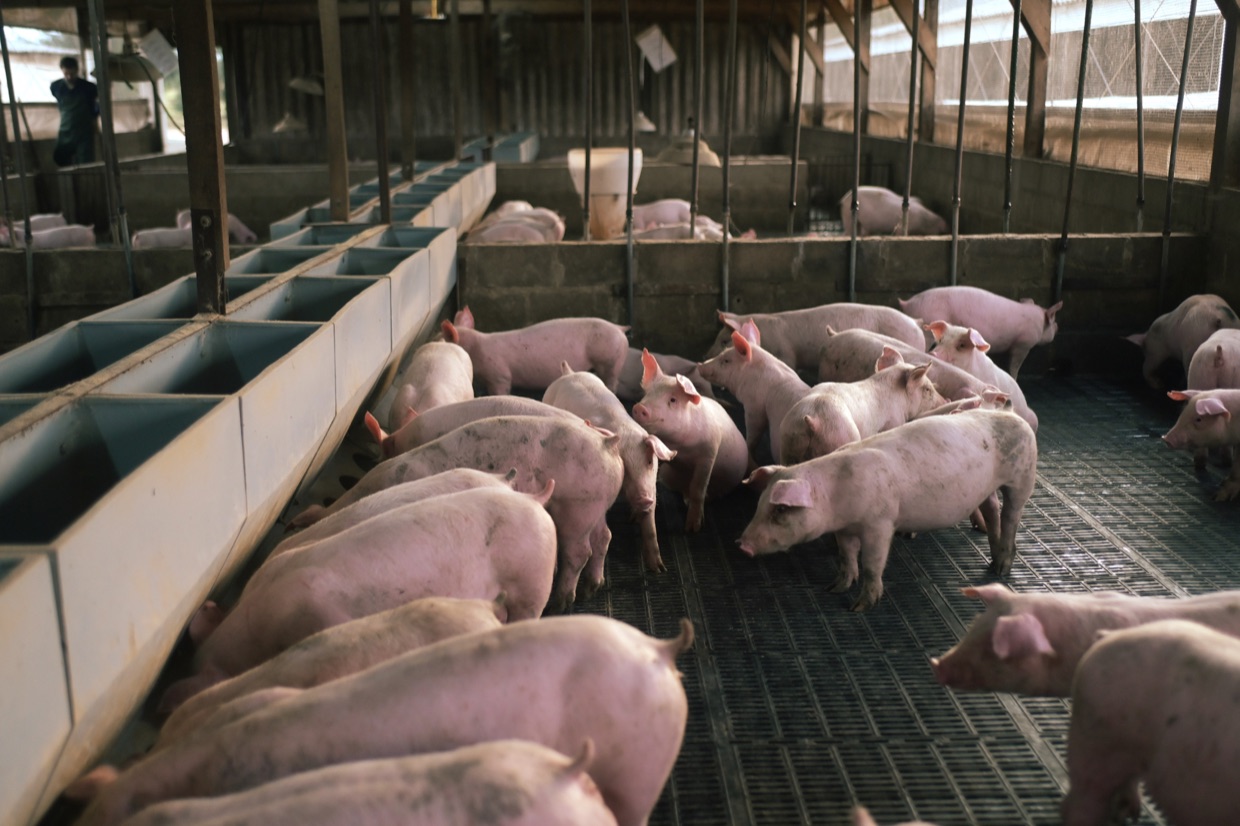
Our products
Built for the way you store grain.
Every product in the Central Life Sciences stored grain portfolio is designed to work together — giving you a complete, protocol-driven approach to grain protection from intake to sale.
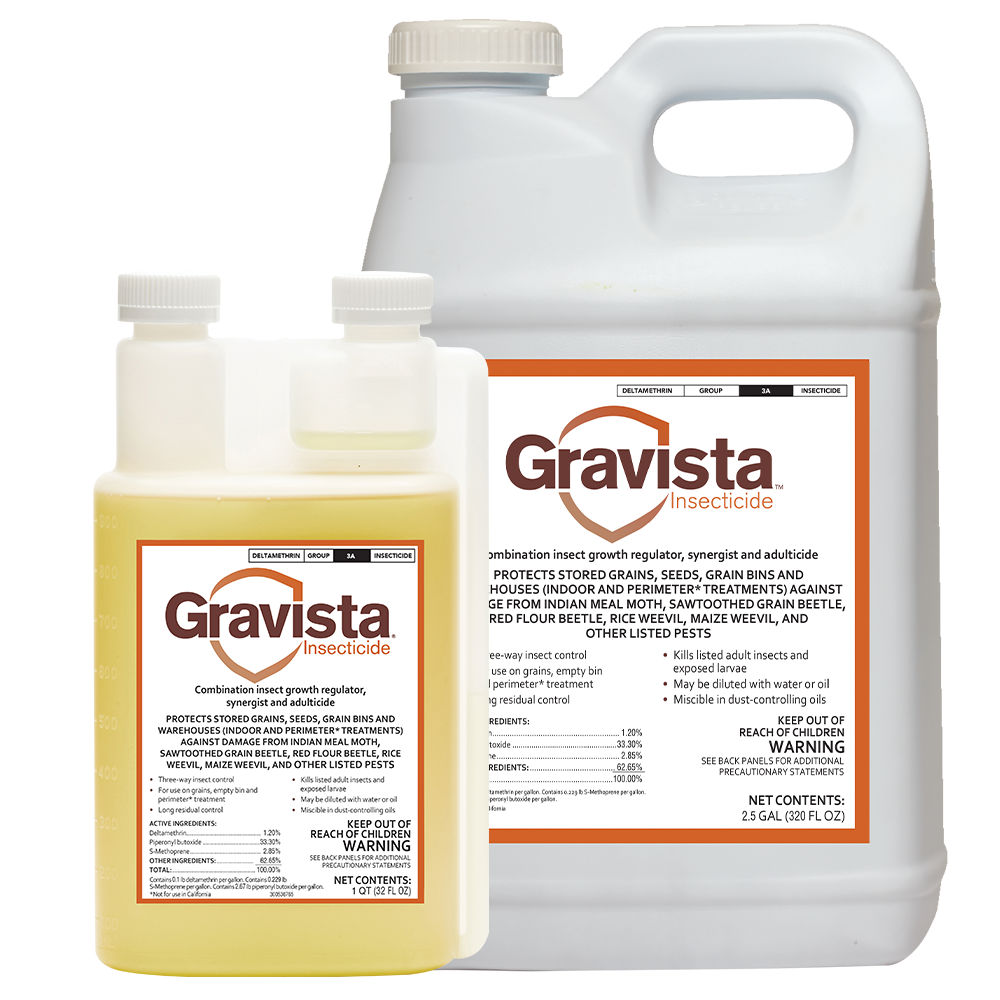
Gravista® Insecticide: Stored Grain Protectant
EPA-registered. Up to six months residual. Controls weevils, lesser grain borers, Indian meal moths, flour beetles, and more across corn, wheat, rice and other stored grains.
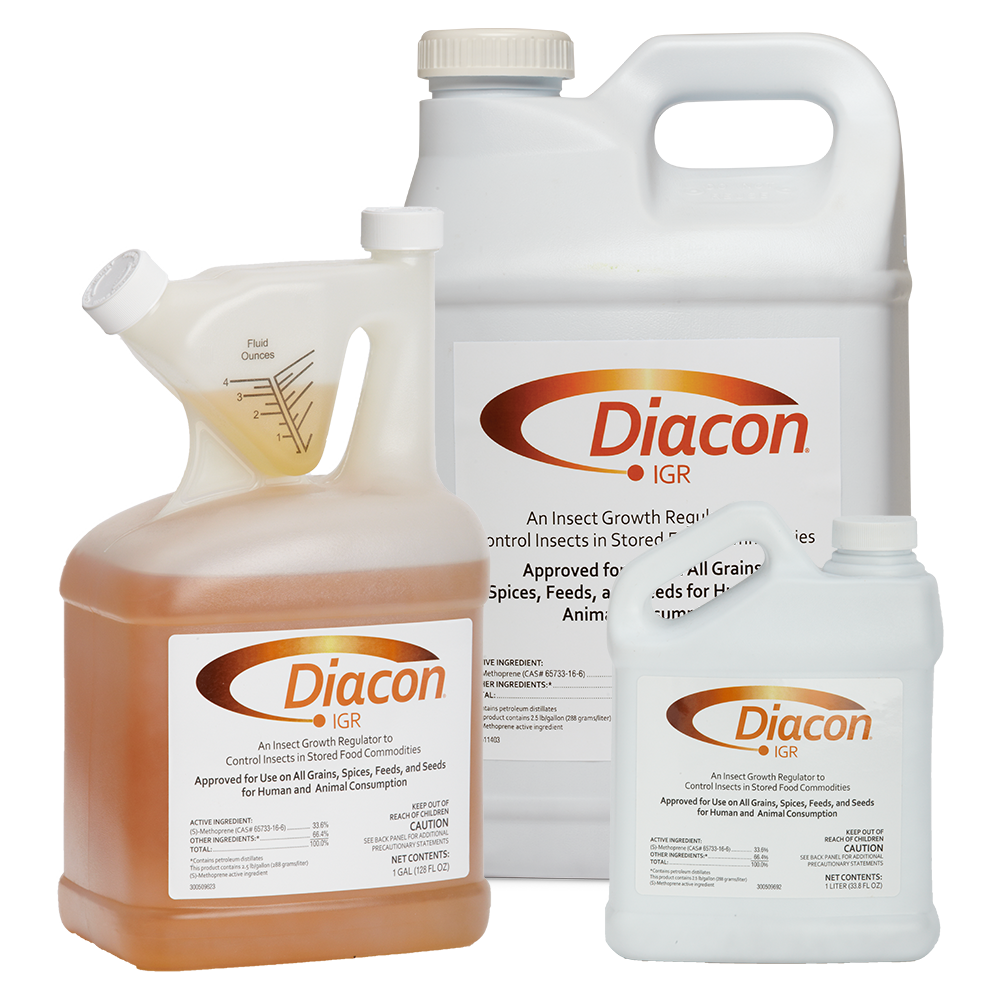
Diacon® Insect Growth Regulator (IGR)
Controls stored grain insects by breaking the pests' life cycle and preventing larvae from maturing into adults.
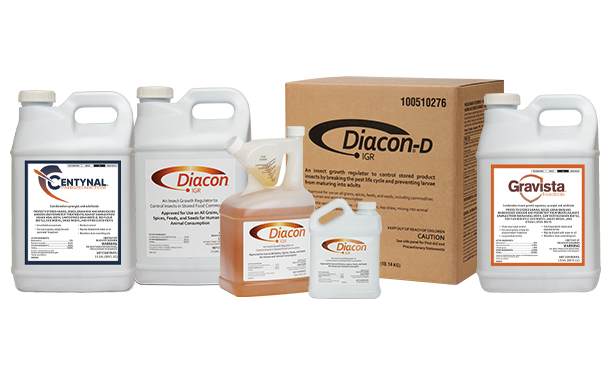
Stored Grain Solutions
From protectants to fumigation support, the Stored Grain Solutions lineup gives growers and commercial operators a full toolkit for grain quality management — backed by CLS expertise and support.
Blog
Know more. Lose less.
Protocol guides, application tips, pest identification and market insights — everything you need to run a smarter storage operation.

Know the Enemy
Stored Grain Insect Identification
Knowing how to properly identify stored grain insects ensures you're using the right products, in the right spots, at the right time — boosting your control power.

Real Research
Quantifying Milling Losses
Hard red winter wheat is poised to lead U.S. wheat production this season, but its quality and profitability can be quickly compromised if insect infestations in storage go unchecked.
Prevention and Control
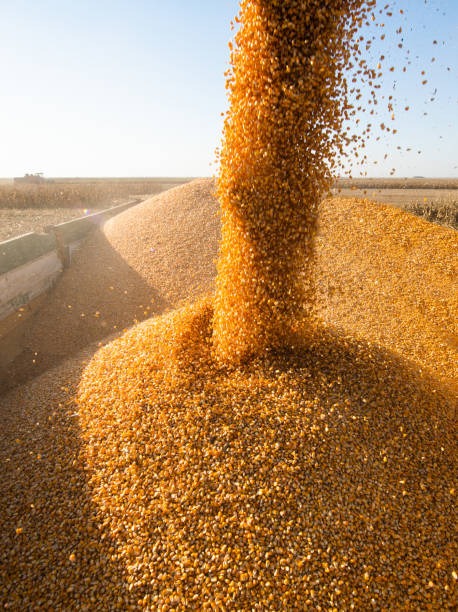
How to Prevent Storage Insects in Corn
Growers and commercial handlers across the United States are noting an increased focus on grain quality, with high standards and regulations for commodities hitting the market.

Prevention and Control
How to Identify Weevils
As notorious as they are damaging, weevils are known as the most destructive pest when it comes to stored grains.
Insect identification and management
The pests that prevent your profit.
Stored-grain insects work silently — damaging test weight, generating heat and reducing grain quality before you know they're there.
Weevils
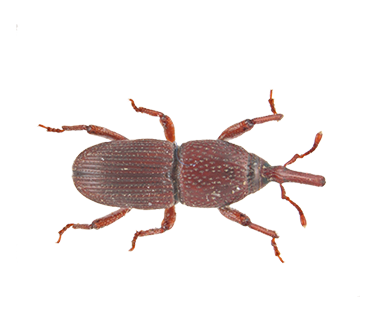
Rice and granary weevils bore into kernels, reducing test weight and creating entry points for moisture and mold.
Lesser Grain Borer
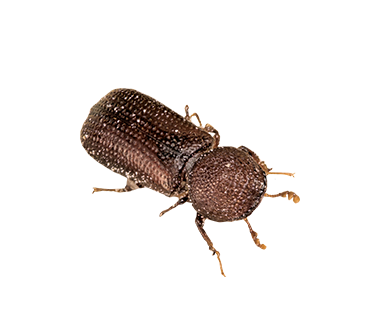
A primary driver of malathion resistance. Fast-moving and highly destructive in warm storage conditions.
Indian Meal Moth
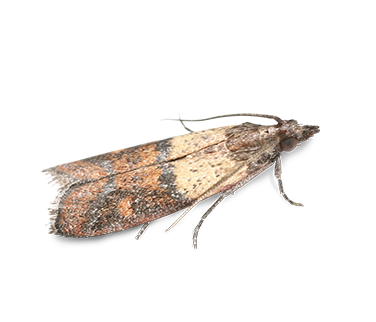
Larvae web through grain surfaces, creating hot spots and quality degradation visible at the elevator.
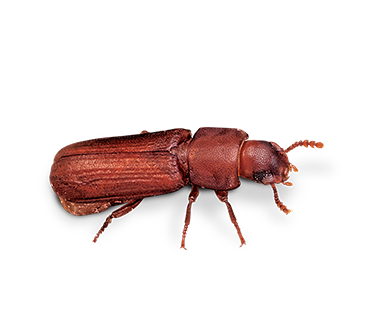
Flour Beetle
Common in older grain and bin debris. Difficult to control without thorough bin prep and residual treatment.
